Sea spaghetti – Identification, Edibility, Distribution
February 8, 2016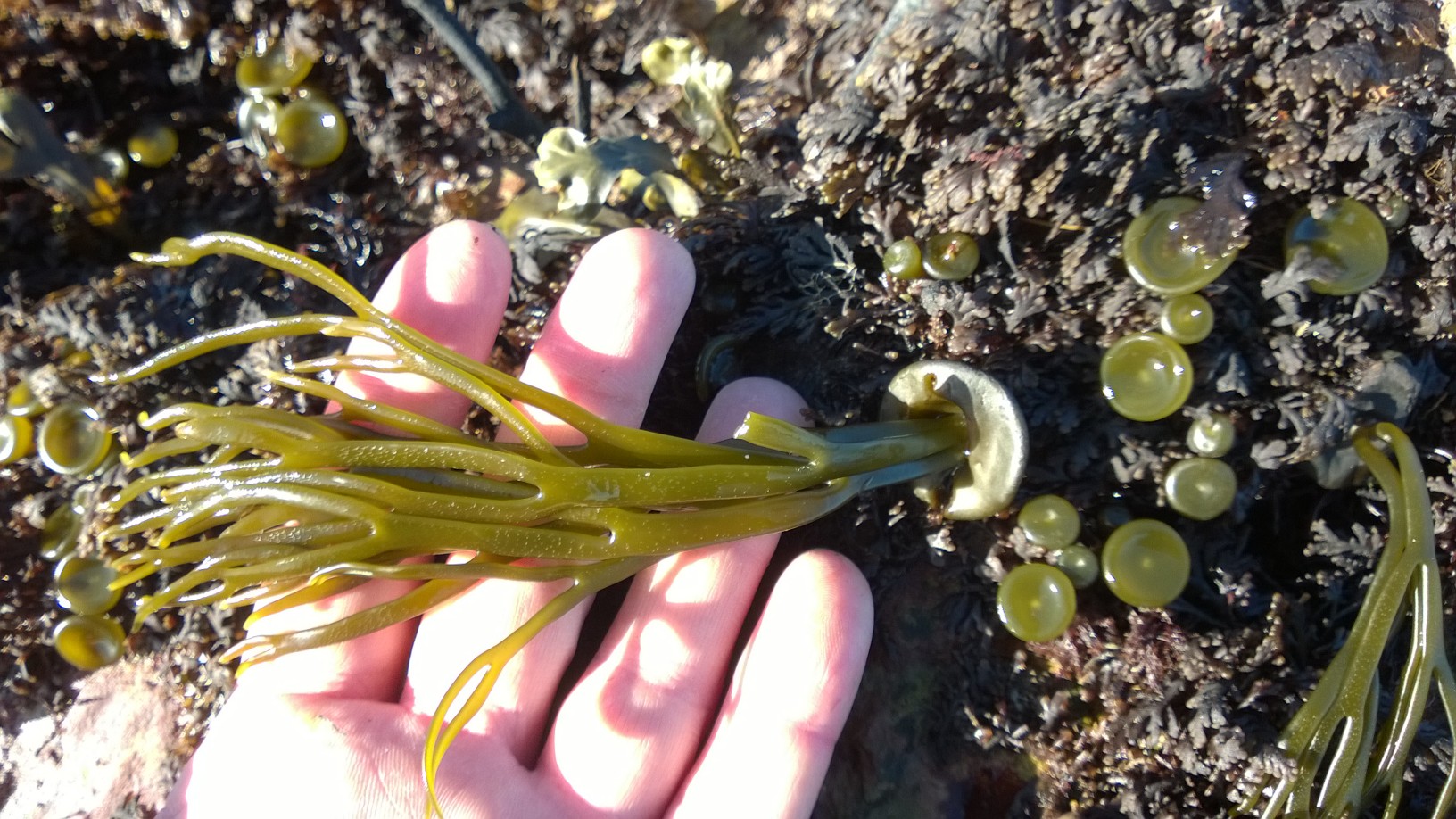
A very distinctive and tasty seaweed – up to 2m long yellowy brown spaghetti-like fronds, dividing near the base, growing from small, button-like holdfasts.
A very distinctive and tasty seaweed – up to 2m long yellowy brown spaghetti-like fronds, dividing near the base, growing from small, button-like holdfasts.
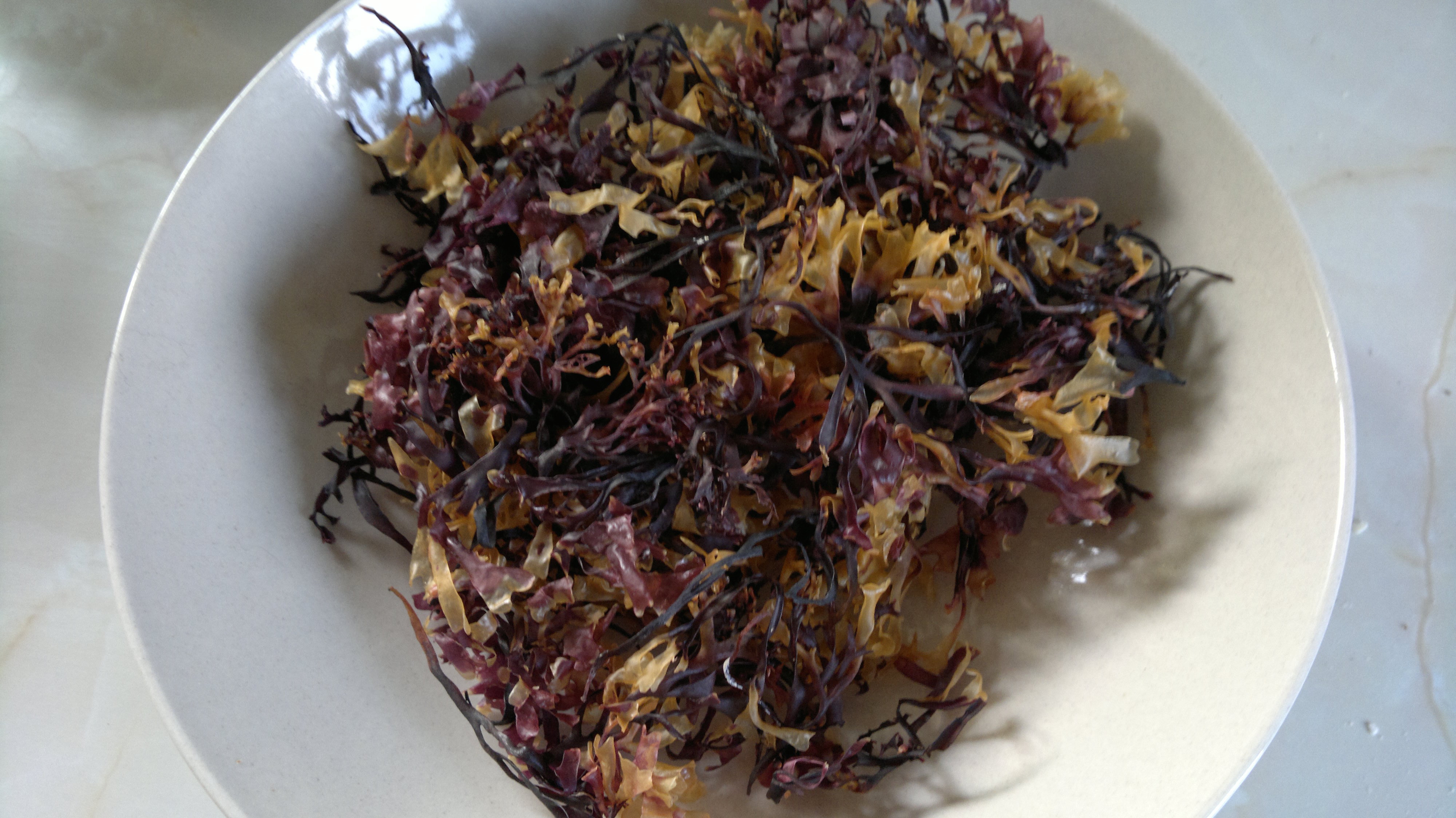
Caragheen is not a seaweed to eat in the conventional sense – its far too tough, even when cooked. But once heated in water it exudes a gelatinous flavourless substance that can be used to thicken soups and stews, or in higher concentrations, set jellies or panna cottas. It also can be boiled with other flavourings to make a rich, nourishing tea…
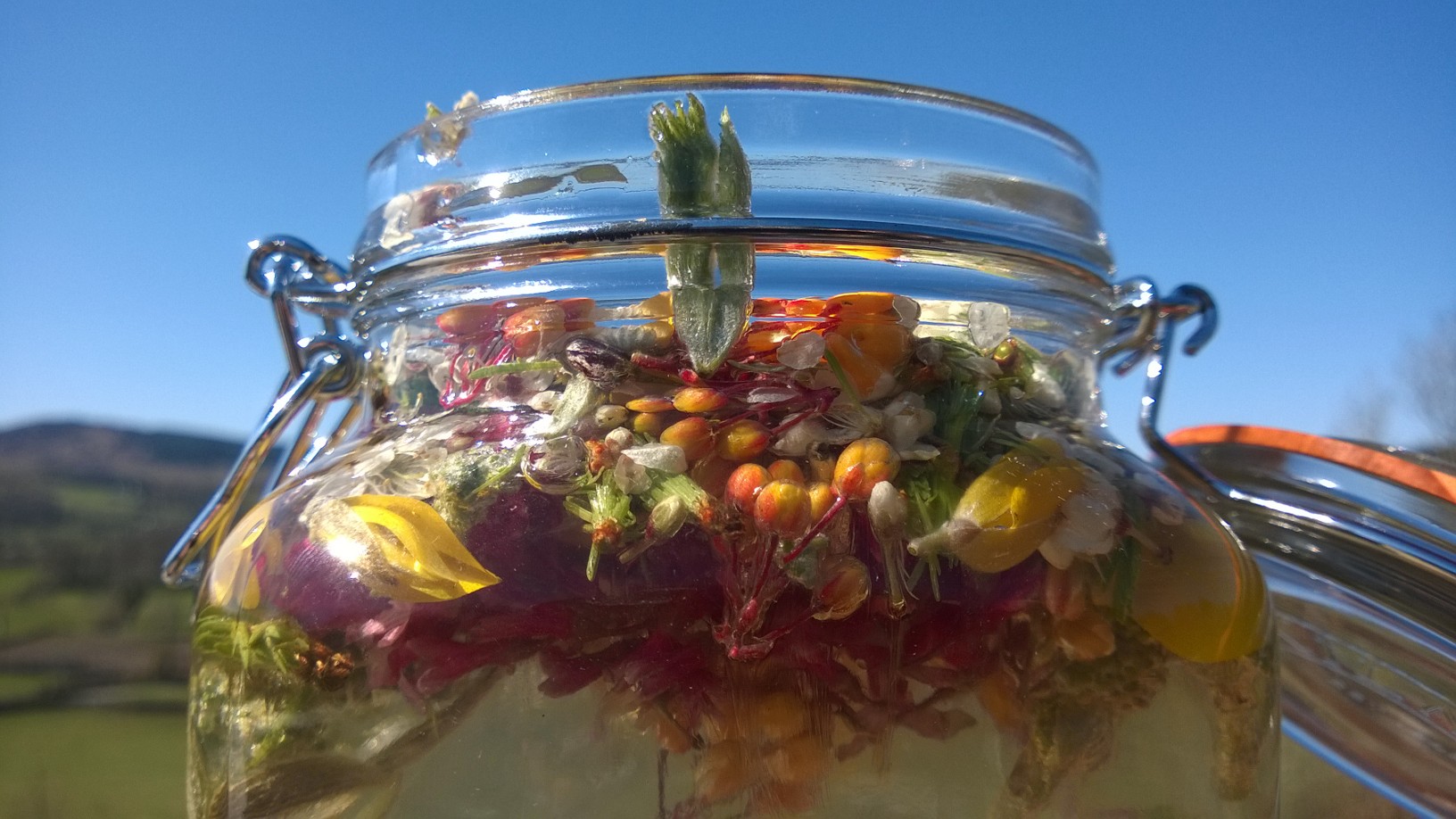
I’m pretty lazy when it comes to wild food recipes. Maximum deliciousness for minimum effort is the forager’s way. So here are some ideas on making small batch mead that require next to no equipment or effort and no added yeast – just what is floating around naturally…
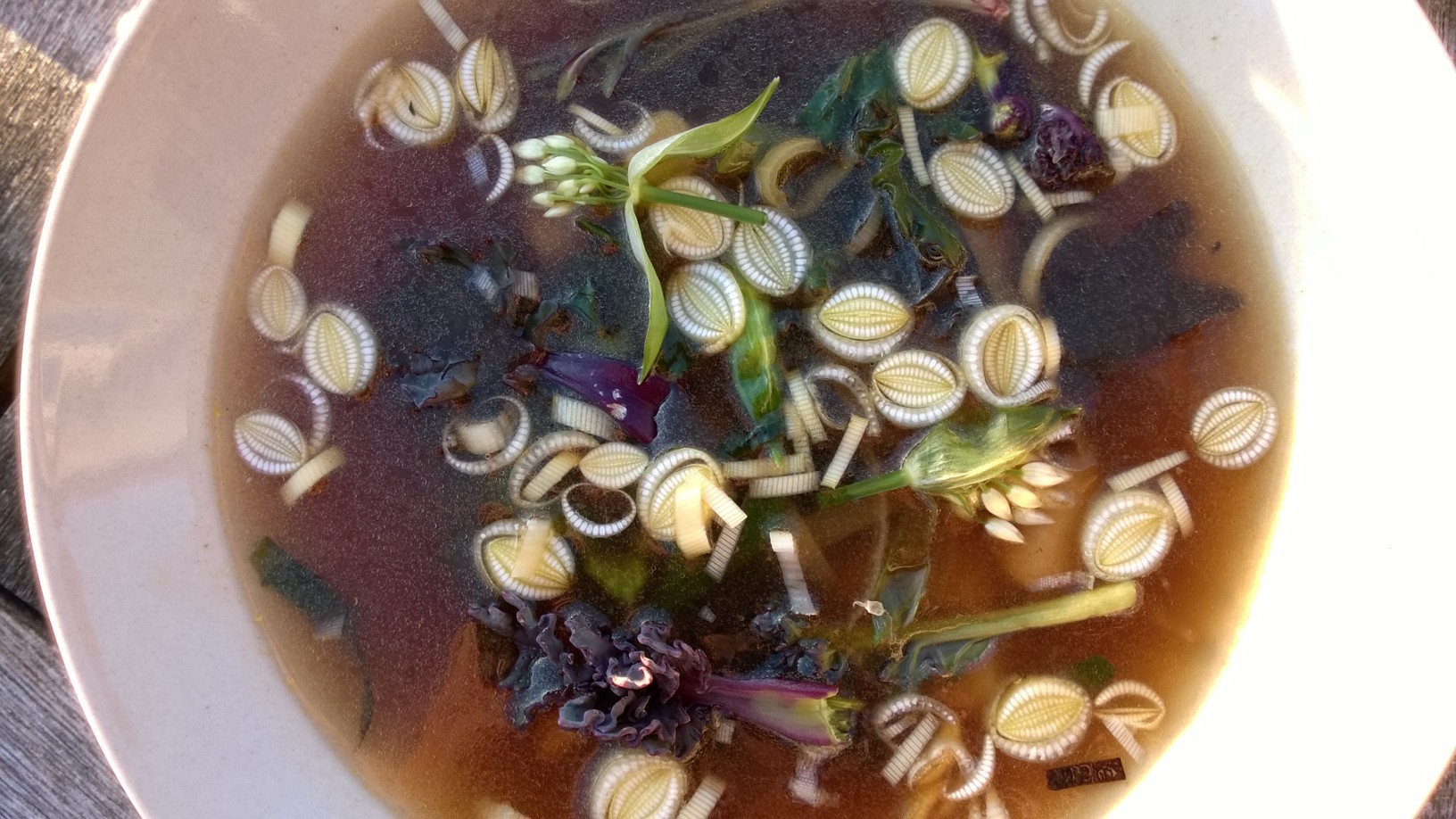
This bowlful of fresh umami-rich joy, that manages to be both homely and pretty damn sophisticated at the same time (why are comfort food and high-end dining so rarely bedfellows?), came about as a result of scrambling through my fridge after a weekend guiding foraging walks…
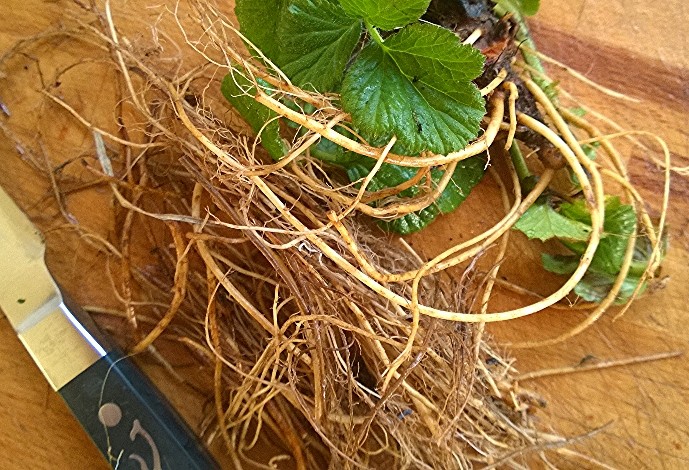
This is a super-common plant of wood edges (and often deeper in the forest where light penetrates) and hedgerows, with a long history of medicinal use. The leaves can be used as a pot-herb in spring and summer but their flavour is unremarkable. The part that commands my attention is the root, which has a distinct flavour of cloves